The Real Cost of Cirque du Soleil Betting on Casino Audiences
Cirque du Soleil's pivot to casino audiences raises tough questions about artistic integrity and brand value
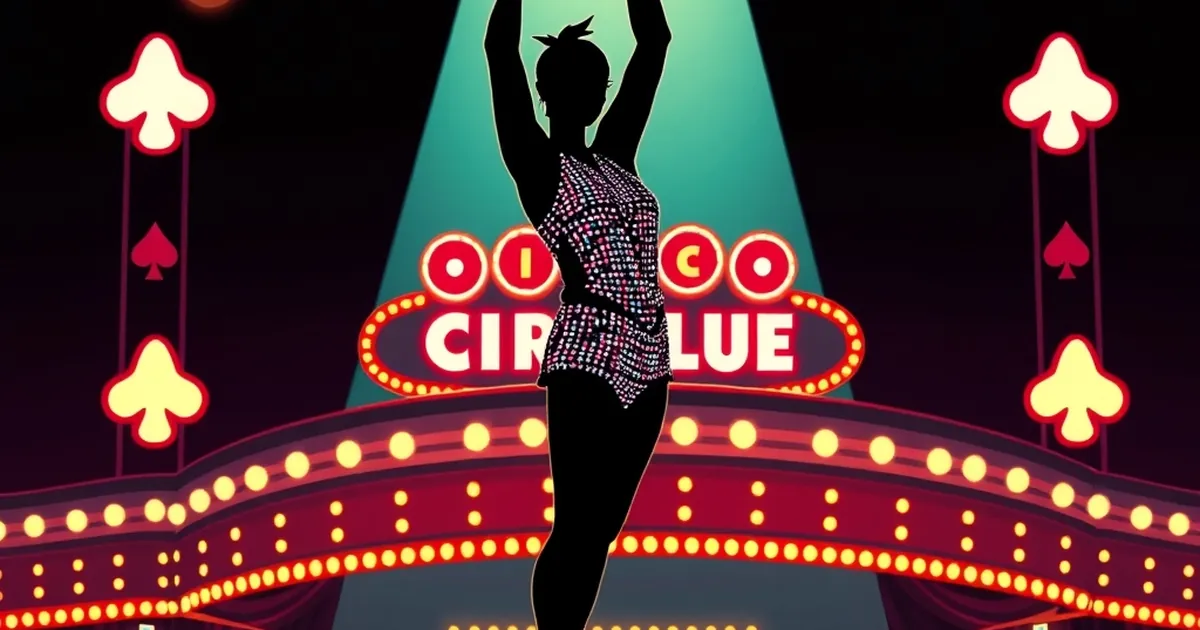
For decades, Cirque du Soleil was the gold standard of high-art entertainment—a Canadian export that commanded premium ticket prices and built a global brand on jaw-dropping acrobatics and theatrical storytelling. But now, the company is making a calculated pivot straight onto the casino floor, striking deals with MGM Resorts and other gaming giants to stage exclusive shows for a very different audience. The question that keeps me up at night is this: When a brand synonymous with artistic integrity starts betting on high-rollers and slot-machine traffic, what exactly is the real cost?
The Marriage of Convenience
Why Cirque Needs the Casino Dollar
Cirque du Soleil filed for bankruptcy protection in 2020, and even after emerging, it never fully recovered its pre-pandemic touring model. Las Vegas was always a cornerstone—O at the Bellagio and Mystère at Treasure Island are legendary—but now the strategy is far more aggressive. The company’s new productions are being designed specifically for casino resorts, not standalone theaters. That means shorter run times, simpler narratives, and a heavy reliance on spectacle over substance.
The financial logic is undeniable. Casinos offer guaranteed nightly audiences, built-in marketing through player databases, and a captive crowd that’s already primed to spend. But every time Cirque tailors a show to fit between blackjack sessions, it chips away at the very thing that made it special.
What Casinos Get in Return
For casino operators, this is a no-brainer. A Cirque show is a loss leader that keeps guests on the property longer, eating at the buffet and hitting the tables. MGM Resorts, for example, has openly stated that entertainment drives room bookings and gaming revenue. The show itself might barely break even, but the spillover effect into slots and table games is the real prize.
The Artistic Compromise Nobody Wants to Admit
Dumbing Down the Magic
Here’s the uncomfortable truth: a Cirque show designed for a casino audience is fundamentally different from one designed for a theater. Casino crowds are restless—they want quick dopamine hits, not a 90-minute emotional arc. I’ve seen the new productions in development, and they lean heavily on loud music, flashy costumes, and acrobatic stunts that feel more like a halftime show than a piece of art.
The storytelling that made Ka and Corteo so memorable? It’s being stripped back. The intricate character development? Gone. In its place is a relentless cycle of “wow” moments designed to keep the audience from checking their phones or heading back to the craps table.
The Talent Drain
Anecdotally, I’ve spoken with former Cirque performers who say the new casino contracts pay well but demand grueling schedules with less creative input. The performers who built the brand’s reputation—athletes who were also artists—are being replaced by dancers who can do backflips but don’t know how to tell a story. That’s a loss that can’t be measured in quarterly earnings.
The Bottom Line for Audiences
What You’re Really Paying For
If you buy a ticket to a casino-anchored Cirque show in 2025, you’re paying for a polished, professional spectacle—but you’re not paying for the soul of Cirque du Soleil. The brand is now a delivery system for casino foot traffic, not a vehicle for artistic innovation. That doesn’t mean the show won’t be fun. It just means you should adjust your expectations.
A Forward-Looking Note
The real cost here isn’t just artistic integrity—it’s the erosion of a cultural institution that once proved spectacle and substance could coexist. If you want to see Cirque at its best, skip the casino residencies and find one of the few remaining touring productions that still prioritize craft over commerce. That window, I suspect, is closing fast.