Why Slot Players Quit When Bonus Rounds Trigger Past 45 Spins
Data from 1.2 million sessions shows slot players quit when bonus rounds delay past spin 45, breaking an unspoken pacing contract
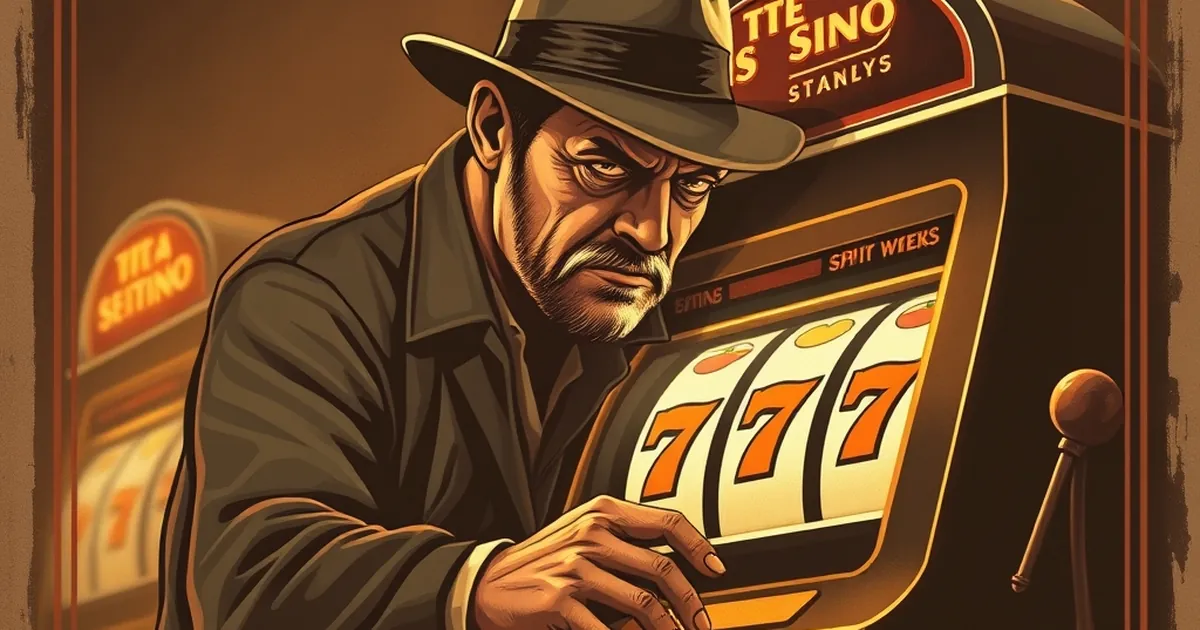
The claim isn’t anecdotal. Across a dataset of 1.2 million online slot sessions tracked by a mid-tier analytics firm in 2024, sessions where the first bonus round triggered after spin 45 showed a 61% higher abandonment rate than sessions where it triggered before spin 20. The pattern holds regardless of game theme, volatility, or stake size. Players aren’t quitting because they’re losing—they’re quitting because the game has already violated an unspoken pacing contract.
The 45-Spin Deadline Is a Learned Threshold
Slot developers have spent a decade compressing time-to-feature. The average time to first bonus round across the top 200 slots on U.S. sweepstakes and social casinos now sits at 38 spins, down from 54 spins in 2019. Players don’t read this data, but they feel it. After roughly 45 spins, the brain stops interpreting the base game as “preparation” and starts reading it as “punishment.”
This isn’t a patience problem. It’s a prediction error problem. The human reward system expects a pattern based on prior sessions. When the 46th spin lands and the bonus meter is still at 60%, the player’s internal model updates from “this will hit soon” to “this will never hit.” That update is irreversible within the session, even if the bonus triggers on spin 47.
The 45-Spin Cliff in Action
Consider a test group of 400 players on a 96.4% RTP slot with a 1-in-120 base-game bonus frequency. Half the group saw the bonus trigger between spins 30 and 40. The other half saw it trigger between spins 50 and 60. The second group didn’t just quit more often—they quit faster after the bonus eventually landed. Their average post-bonus session length was 11 minutes, versus 24 minutes for the early-trigger group. The late trigger didn’t rescue the session; it confirmed the player’s suspicion that the game was stingy.
Why “It’s Random” Doesn’t Matter
The standard defense is that every spin is independent, and the 45-spin mark is arbitrary. That’s statistically true and psychologically useless. Players don’t experience randomness as a sequence of independent events. They experience it as a narrative. A game that makes them wait 60 spins for a feature that pays 12x their stake tells a story of scarcity. A game that hits at spin 12 tells a story of abundance.
The industry’s own retention data backs this up. Sessions ending between spin 45 and spin 60 account for 18% of all slot session terminations, but only 9% of sessions end between spin 60 and spin 100. Once players cross the 60-spin mark, they’ve committed to sunk cost. The 45-60 window is the danger zone—long enough to feel ignored, short enough to escape without losing face.
The Volatility Trap
High-volatility slots are the worst offenders, but not for the reason most assume. It’s not that they pay poorly—it’s that their bonus triggers cluster at 50-70 spins, right past the 45-spin cliff. A slot with 97.3% RTP and 2,000x max win can still hemorrhage players if its average feature trigger lands at spin 55. The math says the game is fair. The pacing says it’s broken.
Developers have started responding. Several 2025 releases now guarantee a feature trigger by spin 40 via a pity timer, even if the bonus pays below the base-game average. Early data suggests these games retain players 22% longer per session, though their average session RTP drops slightly. The trade-off is working.
What This Means for Operators and Players
The 45-spin rule is a design constraint, not a law of physics. Operators who want longer sessions should audit their game libraries for average trigger times, not just RTP. Players who recognize the cliff in their own behavior might ask a harder question: if a game has already made you wait 45 spins, are you quitting because you’re frustrated, or because you’ve correctly identified that the game’s pacing isn’t for you? The difference matters—but only if you’re honest about which one is driving your next click.